

CRS & HIPEC Surgery
CRS and HIPEC for peritoneal surface malignancies, including ovarian cancer, PMP and peritoneal mesothelioma.
Gynaecological and Breast Cancer Surgery
Surgery for ovarian, endometrial, cervical and breast cancers, including robotic and minimally invasive approaches.
0+ Years of Experience
Experienced in surgical oncology, managing early and advanced stage cancers at tertiary care centres.
Cancer Specialities Treated Surgically

Ovarian Cancer
Learn More
Peritoneal Surface Malignancy
Learn More
Endometrial Cancer
Learn More
Breast Cancer
Learn More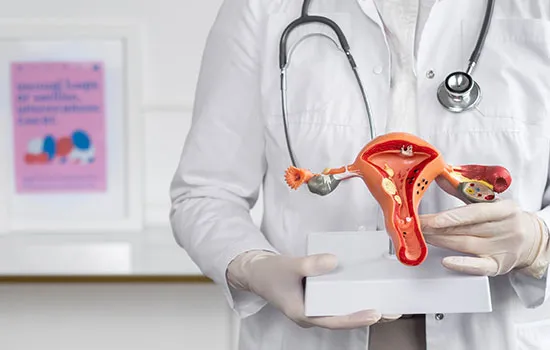
Cervical Cancer
Learn More
Head and Neck Cancer
Learn More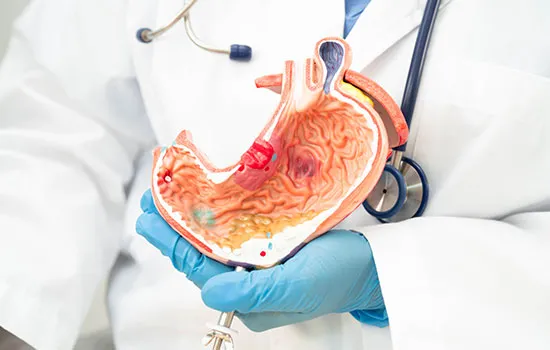
Stomach Cancer
Learn More
Colorectal Cancer
Learn MoreEach patient is evaluated thoroughly to determine the most appropriate
surgical approach, ensuring personalised and evidence-based care.
Advanced Cancer Surgeries
Advanced and Robotic Cancer Procedures
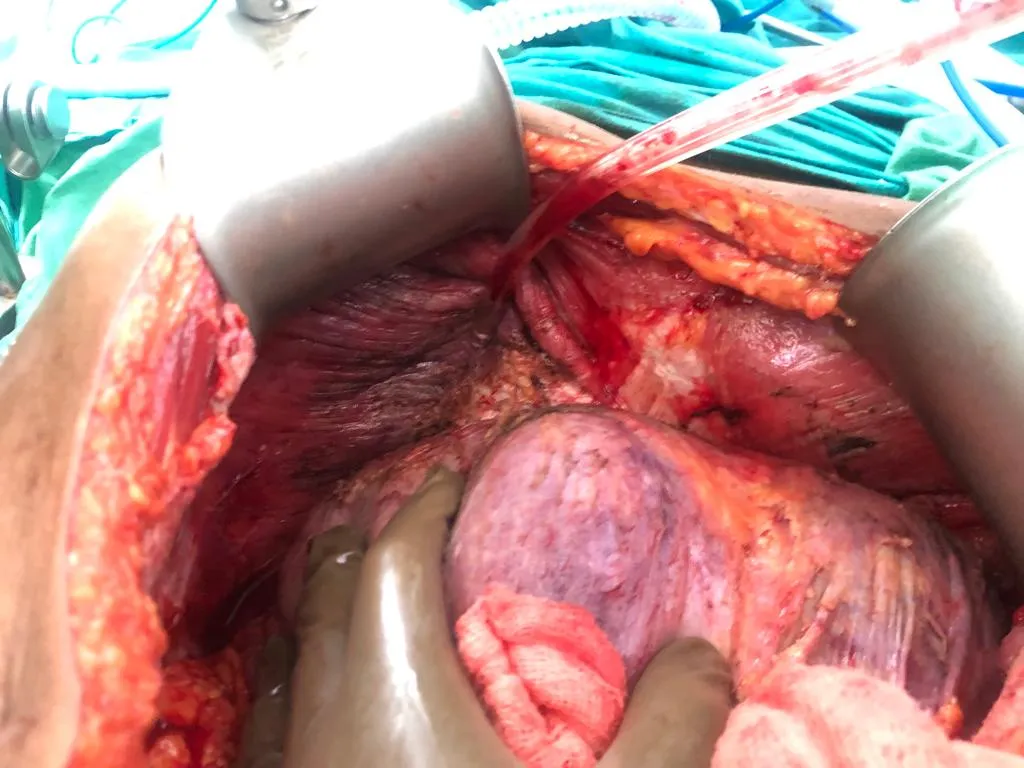
Cytoreductive Surgery (CRS) with HIPEC
Advanced surgical treatment for ovarian and peritoneal cancers involving complete or near complete tumour removal followed by heated intraperitoneal chemotherapy.
Robotic Gynaecologic Oncology Surgery
Robotic assisted surgery for uterine and selected gynaecologic cancers, allowing high precision surgical dissection while minimising surgical trauma.
Complex Ovarian Cancer Cytoreduction
Surgical management of advanced ovarian cancer cases requiring extensive tumour clearance, performed with meticulous planning and adherence to evidence based protocols.
These procedures are offered to carefully selected patients and aim for maximum tumour clearance with optimal recovery.
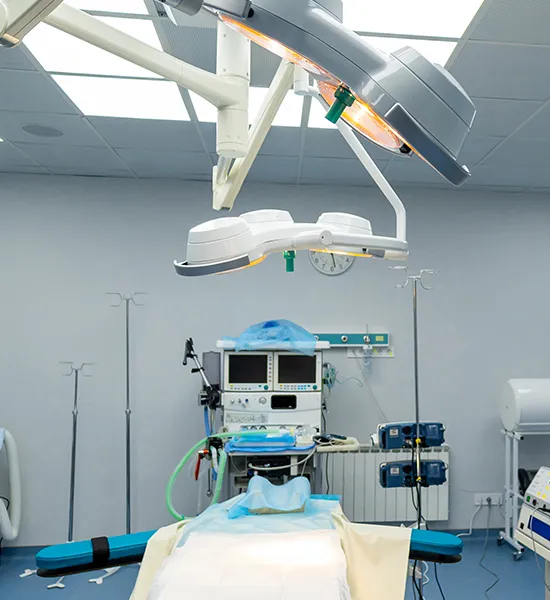

Facilities & Surgical Support
Comprehensive Surgical Care Facilities
- Robotic surgical technology
- Cytoreductive Surgeries
- HIPEC/PIPAC
- Multidisciplinary surgical support
- Chemo Port placement
- Stoma care and surgical stoma management
Modern infrastructure combined with focused surgical experience ensures safe and effective care.

Meet Dr. Snita Sinukumar
HIPEC, Ovarian Cancer & Robotic Uterine Cancer Surgeon
Dr. Snita Sinukumar is a Surgical Oncologist with a focused practice in advanced ovarian cancer surgery, CRS and HIPEC for peritoneal malignancies, and robotic uterine (endometrial) cancer surgery.
She is among a select group of surgeons in India with advanced training and experience in cytoreductive surgery and HIPEC, supported by international fellowship training. Her work centres on achieving optimal tumour clearance in complex ovarian cancer cases.
She also performs robotic gynaecologic oncology surgery, offering precise, minimally invasive treatment with faster recovery where appropriate.
More About Dr. SnitaWhat Our Patients Say
Patients appreciate the clarity, confidence, and compassion provided throughout their surgical journey.

Why Choose Remedium Superspeciality Clinic

Focused Experience in HIPEC & Ovarian Cancer Surgery

Surgical Oncology-Only Practice

Part of a select group of HIPEC-performing surgeons in India

Strong academic and research background

Women-centric and patient-first approach

Clear Communication & Compassionate Care
GALLERY
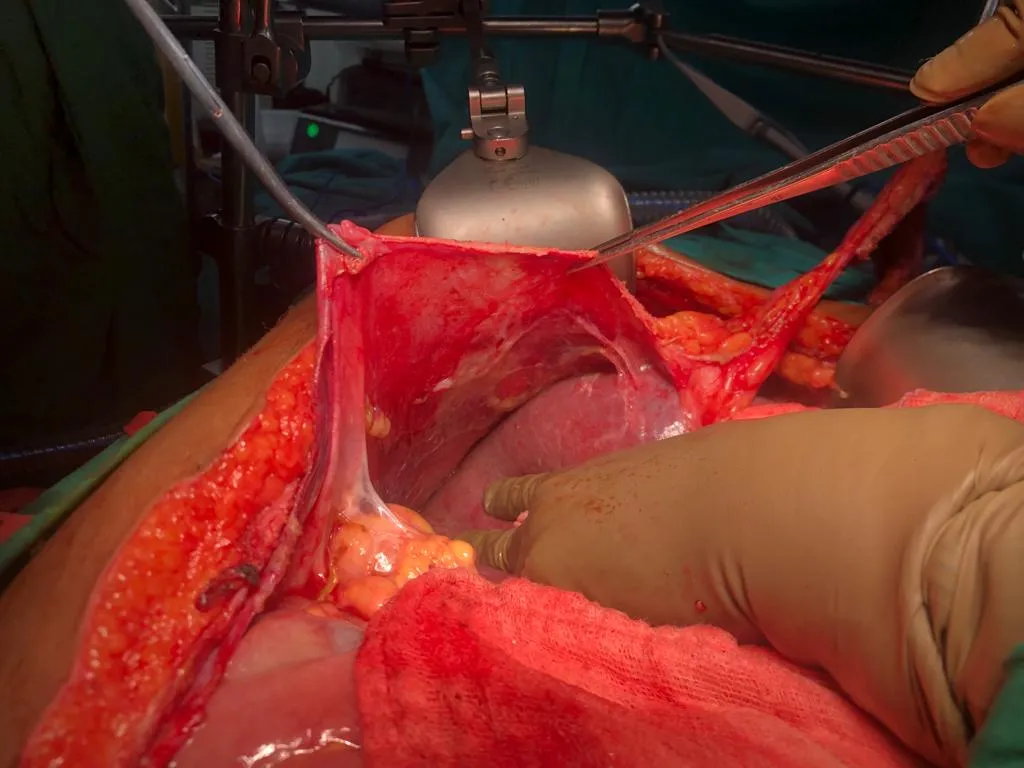
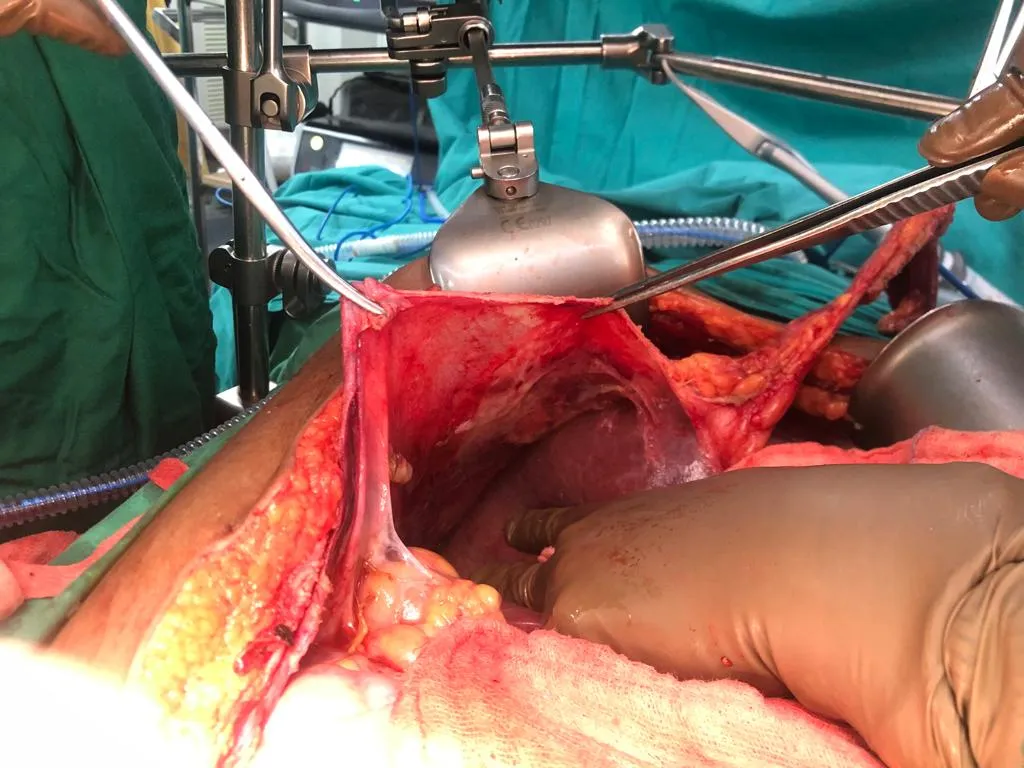
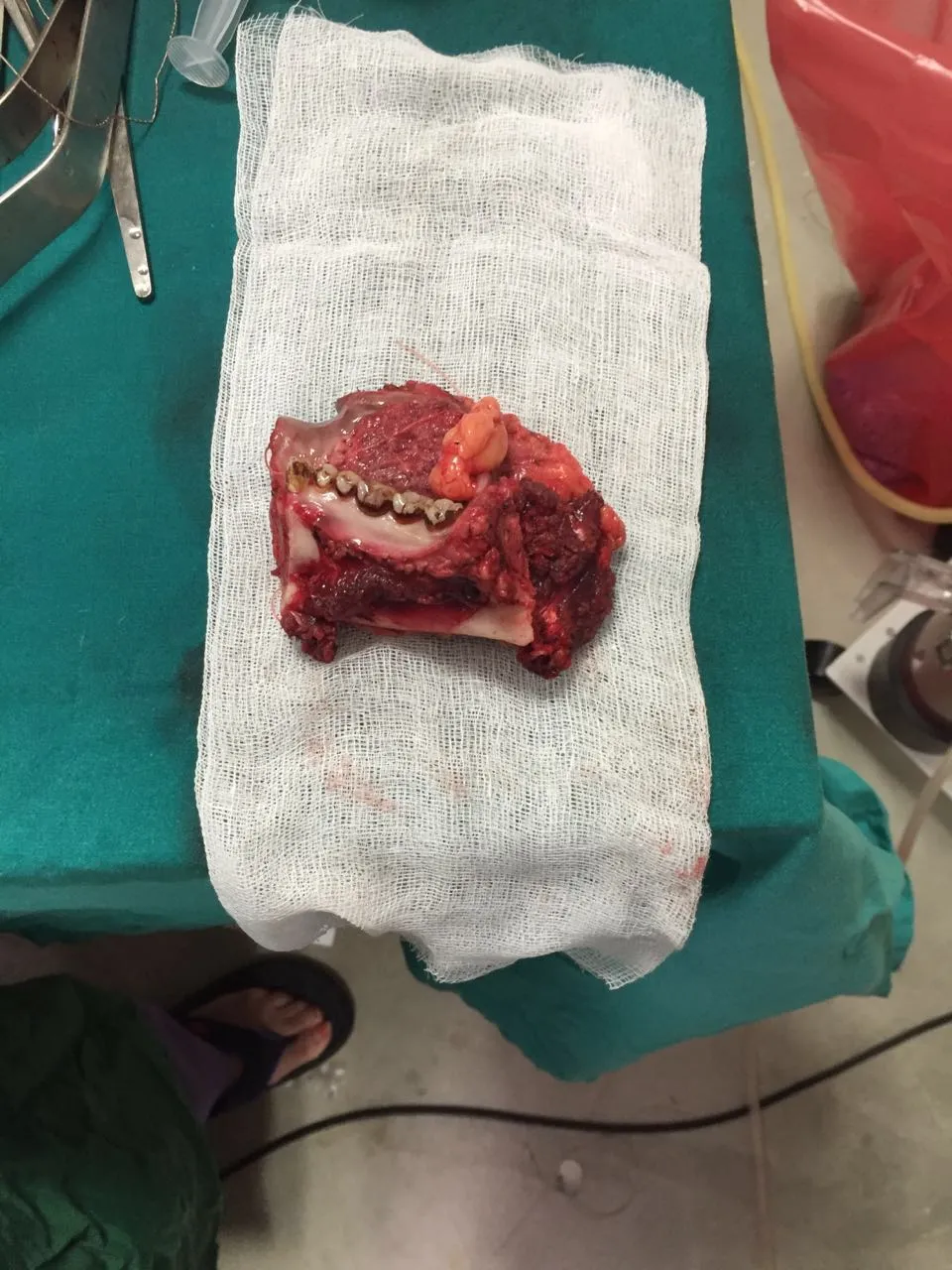
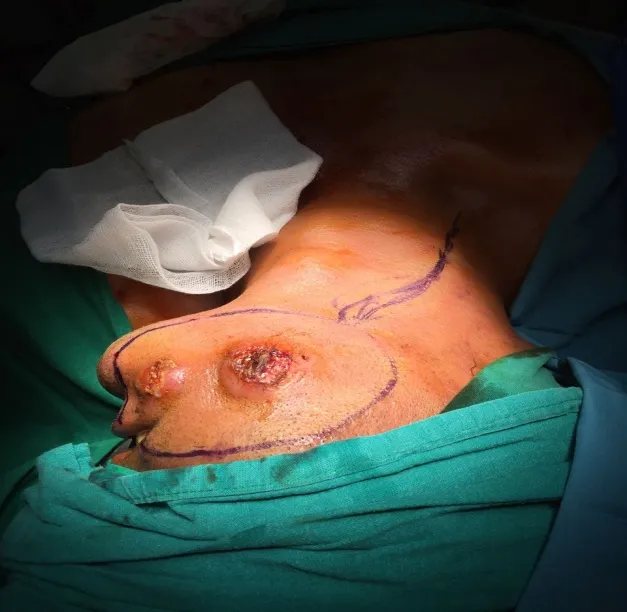
Inside Our Practice








Insights on Cancer Surgery
Frequently Asked Questions
Dr. Snita Sinukumar consults patients at Remedium Super Speciality Clinic in Kharadi, Pune, and also provides consultations at a second location in Apollo Hospitals, Swargate, Pune. Patients from different parts of Pune can choose the location that is most convenient for consultation, cancer diagnosis, and treatment planning for conditions such as breast cancer, ovarian cancer, and other oncological conditions.
You can view directions, clinic timings, and patient reviews through the Google listings below:
For appointments at either the Kharadi or Swargate, Pune consultation locations, please call 096196 49377.